
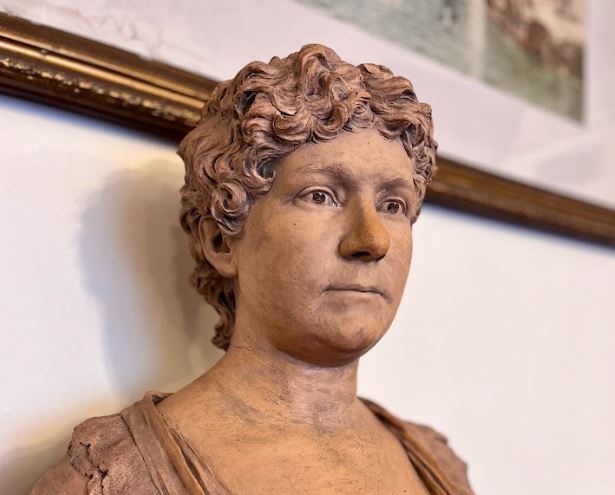

Theatre Royal Brighton and Brighton and Hove Women’s History Group are delighted to announce that a successful bid has been made to erect a blue plaque honouring Ellen Nye Chart on the theatre frontage — a tribute that arrives in timely alignment with International Women’s Day celebrations.
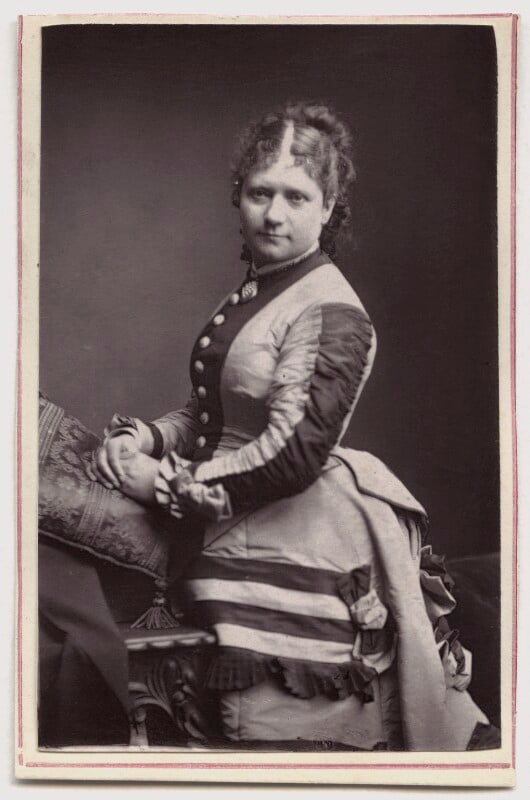
Ellen Nye Chart was the manager of Theatre Royal Brighton for sixteen years between 1876 – 1892, during which she transformed the theatre into one of national standing, securing its fortunes for decades to come.
Together with Brighton and Hove Women’s History Group, Theatre Royal Brighton have secured a blue plaque recognising Ellen’s remarkable contributions to the city’s history. The plaque will be unveiled in June 2026, marking the 150th anniversary of the beginning of Ellen’s proprietorship of Theatre Royal Brighton and the theatre’s 219th birthday.
Brighton and Hove Women’s History Group is a local women’s history group whose aim is to challenge sexism and prejudice by raising awareness of women’s contributions to the history of Sussex, especially in Brighton & Hove.
Sophie Denney, Director of Theatre Royal Brighton, said: “Ellen Nye Chart’s legacy is nothing short of extraordinary; our theatre would not be here today if not for her.. At a time when women were rarely given the opportunity to lead — let alone transform — cultural institutions, Ellen not only secured our theatre’s future but elevated it. We are so grateful to Brighton and Hove Women’s History Group for their collaboration in securing a blue plaque. Ellen is an incredibly important figure in Brighton’s history; it’s brilliant to see her receive the recognition she deserves.”
As part of ongoing celebrations, Theatre Royal Brighton will also soon announce a programme of events recognising other innovative and inspiring women in Brighton’s cultural arts scene, both past and present. Full details to follow.
Born in Islington in 1839, Ellen Rollinson met and married Henry Nye Chart, the actor turned manager of Theatre Royal Brighton, whilst she was acting on tour in 1867. Following Henry’s passing in 1876, Ellen took over sole management of the estate.
An astute businesswoman, Ellen’s innovative ideas breathed new life into the theatre: her many achievements include the introduction of a year-round programme rather than a summer-only season, and the incorporation of elaborate (and profitable) annual pantomimes modelled on those of the Drury Lane Theatre.
Her boldest initiative was the 1883 inauguration of the flying matinee, an arrangement in which an entire London production — often with a star cast, scenery, and costumes — was brought to Brighton for an afternoon performance before returning to the capital for the evening show.
At the start of Ellen’s tenure, Theatre Royal Brighton’s estate was valued at under £1500, but by 1888, Ellen had paid of both the £6,000 theatre mortgage, and a £1,600 mortgage on her home at No. 9 New Road. By her death in 1892, her estate was valued at a whopping £37,916 — a testament to her shrewd leadership and business acumen. Her funeral was the largest the town had ever seen, with many hundreds lining the streets to say farewell.
Photo credit: Morley Von Sternberg


 The Brighton Bucket List